A Dedication To Dance Moms
Disclaimer: The information in this blog is provided for general information and educational purposes only and is not a substitute for professional advice. While every effort has been made to ensure the accuracy and reliability of the content, the author assumes no responsibility or liability for any errors, omissions, or outcomes resulting from the use of this information. Readers should always consult with qualified professionals for any specific questions or concerns. Use of this information is solely at your own risk.
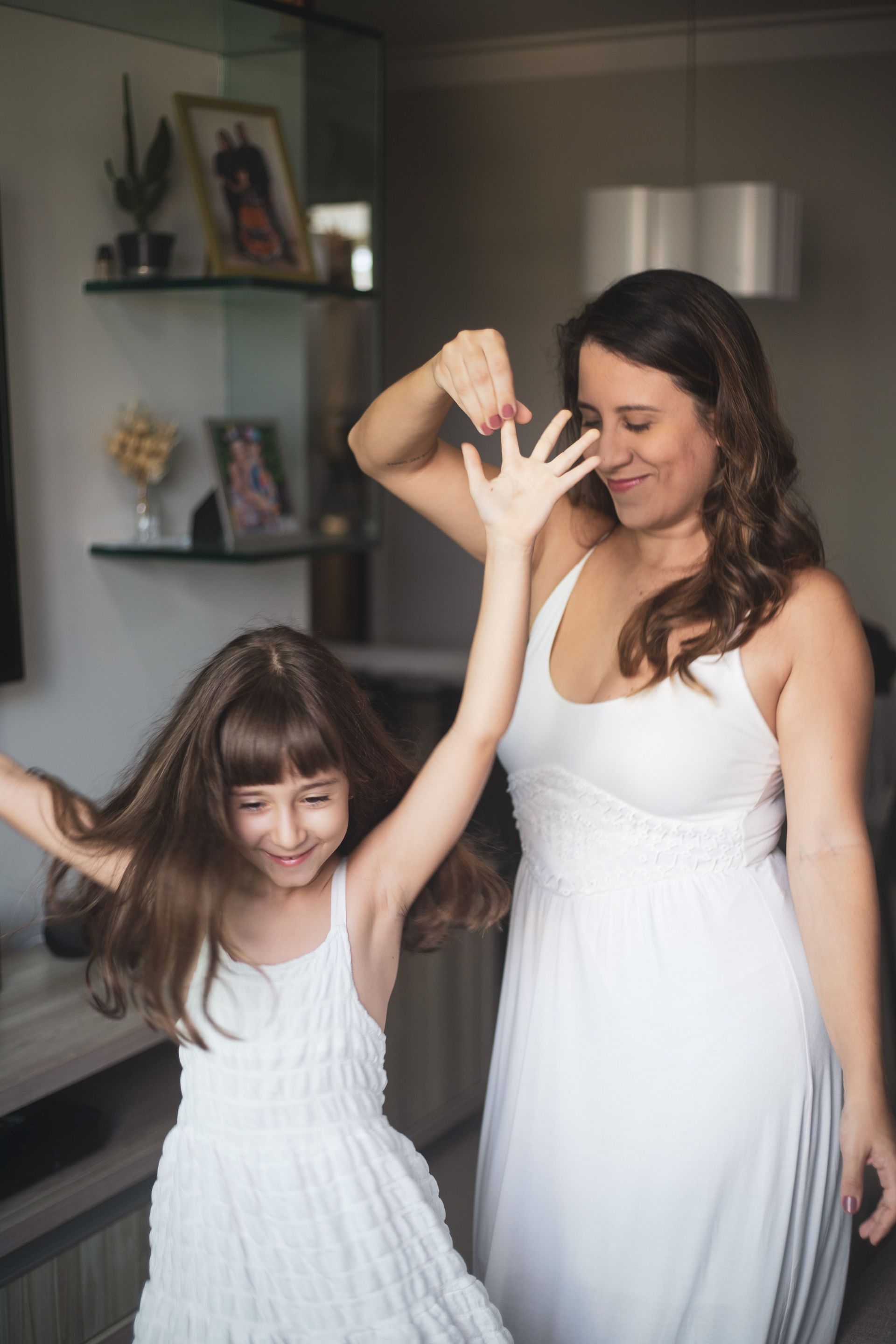
When Your Child Dances, You Feel It Too: The Emotional Side of Being a Dance Mom
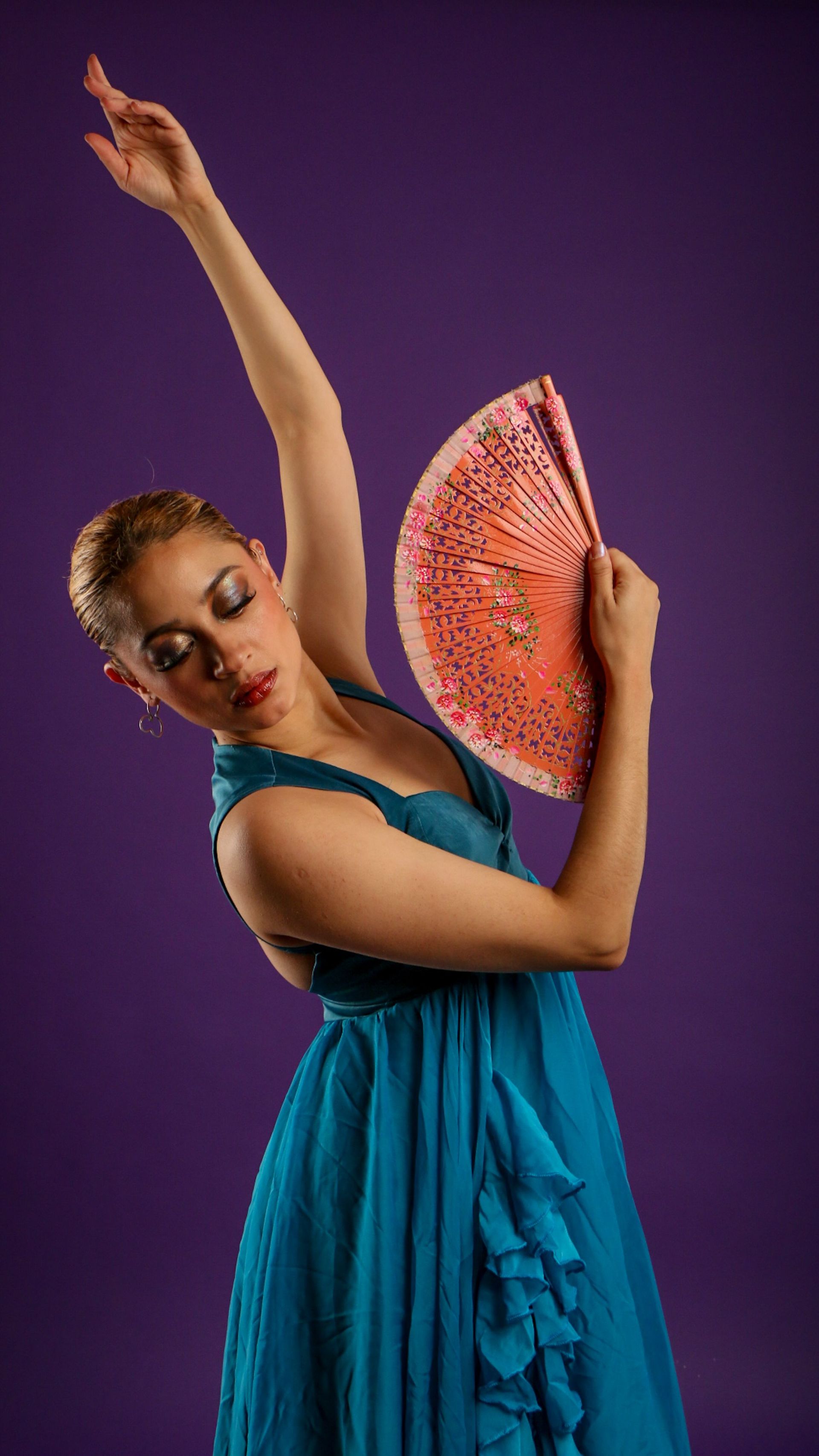
Dance moms are the backbone of the dance community. You know exactly which garment bag has the lyrical costume, which one has jazz, and which one contains the costume that sheds approximately six pounds of glitter every time anyone touches it.
Being a dance mom is a strange emotional experience. Your child is the one onstage, but somehow your heart is performing right alongside them. You feel the nerves before they compete. You celebrate the victories. You see the disappointment when something doesn't go the way they hoped. You watch them work for months for a performance that lasts only a few minutes.
And perhaps one of the hardest parts is this: You love them enough to desperately want things to go well, while knowing that you cannot make things go well for them.
Their Dream Can Matter to You Without Becoming Your Dream
Dance can be demanding on families. Not only is there the financial burden of tuition, costumes, and all of the accoutrement that comes with performing, but then there are all of the non-material things you invest. You invest your time, your energy, and your emotional well-being. It’s only natural that you want the best outcome for your kiddo.
But here is the kicker: there is a fine balance between wanting the best outcome for your kiddo and strong-arming your way into getting that outcome for your kiddo.
Your dancer may have days when they don't place. They may not get the role they wanted, or they may struggle with that skill that everyone else in their age group seems to have mastered. However, it is important to remember that dance isn’t only valuable when there is a productive output.
Your child is also learning how to work toward a goal, accept feedback, manage disappointment, work as a team, perform under pressure, and keep going even when their plans change.
And the best part is, those skills don't disappear when the costume comes off.
Sometimes the Best Thing You Can Say Is, "I Loved Watching You Dance."
Fun story: I grew up as the teacher's kid.
That’s right. My mom was the artistic director of my studio. And my mom’s first instinct was to “correct, correct, correct.”
However, as her daughter, there were moments growing up in the competitive dance scene when what I desperately needed wasn't another correction. I needed my mom.
Your kiddo needs their parent, too. So, the next time your kiddo asks, “How did I do?” when you know that run wasn’t their best work, try something along the lines of: "I loved watching you dance."
Not, "You would've had it if you hadn't fallen out of that turn." Not, "Why were you behind everyone during that section?"
Not even, "Don't worry, you were way better than the dancer who won."Just: "I loved watching you dance."
Their performance can be imperfect and still bring you joy—regardless of whether you are a teacher or a garden-variety dance mom.
Your Child's Placement Is Not a Reflection of Your Parenting
It is impossible to avoid comparison at dance competitions. It is kind of the name of the game.
There are going to be other dancers who have better technique. There are going to be other dance families who can afford more training. And there is always going to be that one mom who has this AMAZING setup for their kiddo where everything is organized and sparkly while you're scrambling around looking for that used eyelash from last season.
Comparison can quietly turn your child's activity into a measurement of your parenting.
Your child's ability to do a triple pirouette or their placement at a competition does not determine whether you are a good parent. You don't have to raise the best dancer in the room. You're raising an awesome human being who happens to dance.
Let Them Be Disappointed
One important life lesson for your kiddo to learn while they're on their dance journey is how to deal with disappointment.
And that journey might be hard for you to watch as a parent because your first instinct is to protect your kid and to “fix it.”
But disappointment isn't an emergency. You don't have to immediately make it disappear. Sometimes, the best thing you can do is sit beside them and say, “I know you really wanted this,” and let them be in their feels for a minute. That's empathy without trying to erase the experience.
Later, when the emotion isn't quite so big, you can help them decide what happens next. Do they want more feedback? Do they need help setting specific goals? Do they want to re-evaluate at the end of the season whether competing is still right for them?
One of the greatest lessons you learn as a dancer is resilience. And resilience is not the absence of disappointment. It’s learning that you can be disappointed, sit with that feeling, survive it, and decide what you want to do next.
Watch for When Support Starts Becoming Pressure
Most dance parents aren't intentionally trying to pressure their children. What starts as loving intention and absolute faith in your child’s capabilities can quickly turn into pressure if expectations aren't managed carefully.
One of the most important questions to ask yourself is:
“Am I helping them pursue what they want, or am I setting an expectation for them that they cannot—or do not want to—reach?”
At the end of the day, you’re more than a “dance mom.” You're their parent. It is important to explore that relationship outside of dance, too. Have conversations that aren't dance-related. Does your kiddo know they can opt out of classes next season? Are you watching for signs of burnout? Do they know that changing their goals won't change how you feel about them? Children need adults who can be adults and pay attention to their needs. They need adults who tell them, “I believe in you.”And kiddos also need the freedom to be just that... Kiddos.
Regulate Yourself Before You Help Them Regulate
Competition and performance mornings are chaos. And chaos can lead to strong emotions in both you and your dancer.
On the days when your dancer seems particularly overwhelmed, it is important to check in with yourself first. Kids and teens alike sometimes need help regulating their emotions—and sometimes they might need to borrow your calm.
So, the next time you see that your dancer is having big emotions, ask yourself:
Where are your shoulders?
Are you holding your breath?
Are you speaking faster?
Are you treating something inconvenient like something catastrophic?
Am I feeding into their feelings of overwhelm, or am I lending them my calm?
Try putting both feet on the floor and taking a slow breath. Relax your jaw. Lower your voice. Identify the next problem that actually needs solving rather than trying to solve the entire day at once. Sometimes, "We're okay. Let's figure out the next thing," is more helpful than any elaborate pep talk.
And Dance Moms Need Support Too
You are allowed to have feelings about this experience.It’s okay to be nervous for your child. You can feel disappointed when something doesn't work out for them. It is perfectly normal to sit in your car outside the studio and wonder how one tiny person requires this many shoes.
But remember: your thoughts and feelings are yours to own, and it is your responsibility to recognize when you need extra support.
Talk to another parent. Journal. Take a walk during rehearsal. Find something that belongs to you outside of your child's activities.
You don't have to stop caring about what happens to your dancer. The goal is to make sure your child never feels responsible for carrying your feelings about their dancing.
Your Most Important Job Happens Offstage
One day, your kiddo will be an adult. There will be no more costumes to try on. The trophies they won might be sitting in a box somewhere in your garage. And, more likely than not, your dancer will eventually hang up their dance shoes as they prepare to build a life of their own.
But two things will remain:
The way they felt during that time in their life when they were a dancer...and the rhinestones that will somehow remain in your house forever, because apparently rhinestones violate several known laws of physics.
They may not remember what they scored at that competition. But they will remember how you made them feel. Always remember that before they're your dancer, they're your kid.
And that relationship matters long after the music stops.
Portions of this content were refined or edited using artificial intelligence tools for grammar, clarity, and flow.
Let's Unpack That: Blog